Current situation
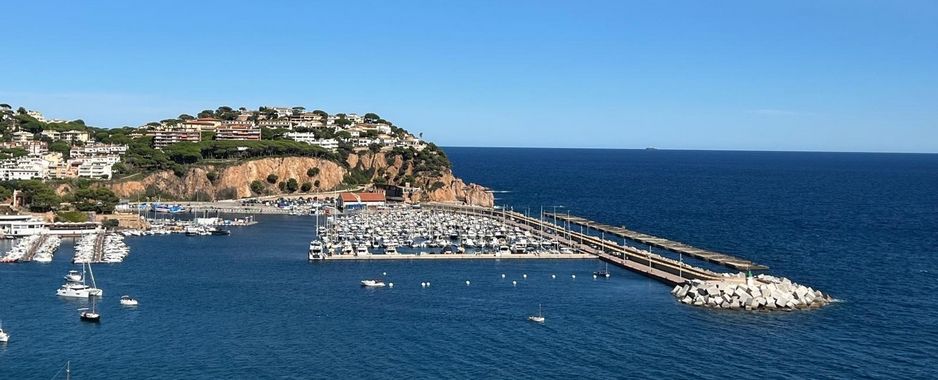
Coastal towns such as Platja d’Aro, Sant Feliu de Guíxols, and Palamós are facing increasing pressure from holiday rentals. These destinations rely heavily on summer tourism, which drives much of the local economy. However, this dependence has created significant side effects in the housing market.
Over recent years, the supply of long-term rental housing has declined sharply. At the same time, seasonal prices have risen considerably. As a result, many local residents and workers now struggle to find affordable and stable accommodation.
A Shift Toward Seasonal Rentals
Stricter regulations on tourist apartments, particularly those requiring VUT licenses, have changed landlord behavior. Many property owners have moved away from traditional tourist rentals. Instead, they now favor seasonal contracts.
This model allows them to rent properties monthly during peak summer periods.
It also offers high profitability and greater flexibility. In many cases, landlords can operate without needing a full tourist license.
As a result, seasonal rentals have become the dominant format in these coastal towns
Legal changes in 2026
The Catalan government introduced new regulations under Law 11/2025. This law requires seasonal rentals to be clearly temporary in nature. Contracts must specify both their purpose and duration.
Authorities now have the power to act against fraudulent or abusive use of these contracts. Despite this, holiday-related rentals remain permitted in practice. This situation creates a legal grey area, especially in high-demand coastal markets.
The Reality on the Ground
In towns like Platja d’Aro, Sant Feliu de Guíxols, and Palamós, many properties operate almost exclusively during the summer. Owners often leave them empty or unused during the winter months. This pattern reduces the availability of long-term housing. It also makes residential rentals less attractive from a financial perspective. The result is a highly seasonal housing system driven almost entirely by tourism demand
A Growing Tension
The central issue lies in the balance between tourism profitability and access to housing. On one hand, seasonal rentals remain legal and highly profitable. This encourages their continued expansion, even under stricter regulations.
On the other hand, many families depend on this model to afford holidays. Without seasonal rentals, accommodation costs would rise significantly. For many, hotel stays would become unaffordable, especially for larger families.
Conclusion
Seasonal holiday rentals have largely replaced traditional tourist apartments as the main pressure on housing in the Costa Brava. Despite new regulations introduced in 2026, the market remains strongly driven by tourism.
Access to stable and affordable housing continues to be a major unresolved challenge for local residents. Addressing this imbalance will require careful policy decisions that consider both economic and social impacts.