
Current situation
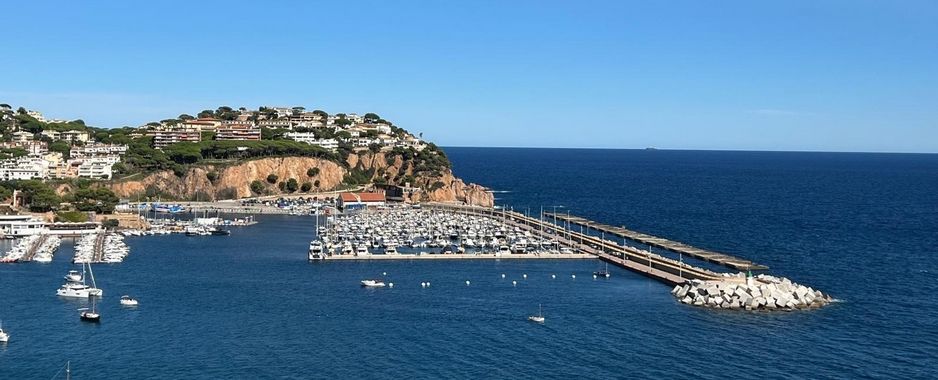
Coastal towns including Platja d’Aro, Sant Feliu de Guíxols, and Palamós are experiencing mounting challenges from holiday rentals. These areas depend significantly on summer tourism for economic vitality. However, this reliance has produced serious consequences for local housing availability.
Long-term rental housing inventory has contracted dramatically in recent years. Concurrently, seasonal pricing has escalated sharply. Consequently, residents and workers face considerable difficulty locating reasonably priced, dependable housing options.
A Shift Toward Seasonal Rentals
Tighter regulatory requirements on tourist apartments, particularly regarding VUT licenses, have shifted owner preferences. Many property owners have abandoned conventional tourist rental models in favor of seasonal arrangements.
This approach permits monthly rentals during peak summer months. It delivers strong financial returns and operational flexibility. Frequently, landlords can proceed without obtaining full tourist licensing. Consequently, seasonal rentals have become the predominant rental format across these coastal communities.
Legal changes in 2026
The Catalan government enacted new regulations through Law 11/2025. Per this legislation, seasonal rentals must demonstrate genuinely temporary characteristics. Contracts require explicit documentation of purpose and timeframe. Authorities gained enforcement capability against misuse or fraudulent contract applications. Nevertheless, holiday-focused rentals remain permissible practically. This creates ambiguity within high-competition coastal markets.
The Reality on the Ground
In municipalities like Platja d’Aro, Sant Feliu de Guíxols, and Palamós, numerous properties function almost entirely during summer. Owners typically maintain properties unoccupied or inactive throughout winter months. This pattern constrains year-round housing stock. It simultaneously reduces financial appeal of permanent residential leasing. The outcome reflects a fundamentally tourism-dependent housing structure.
A Growing Tension
The fundamental challenge involves equilibrating tourism economics with housing accessibility. Seasonal rentals remain legally permissible and financially compelling. This encourages expansion despite regulatory tightening.
Conversely, families rely on this model for vacation affordability. Without seasonal rentals, accommodation expenses would increase substantially. Hotel alternatives would become financially unrealistic, particularly for larger family groups.
Conclusion
Seasonal holiday rentals have supplanted traditional tourist apartments as the primary housing pressure factor in Costa Brava. Despite 2026 regulatory enhancements, tourism remains the dominant market driver. Long-term housing accessibility for community members persists as an unresolved societal problem. Viable solutions demand deliberate policy approaches balancing economic and social considerations.